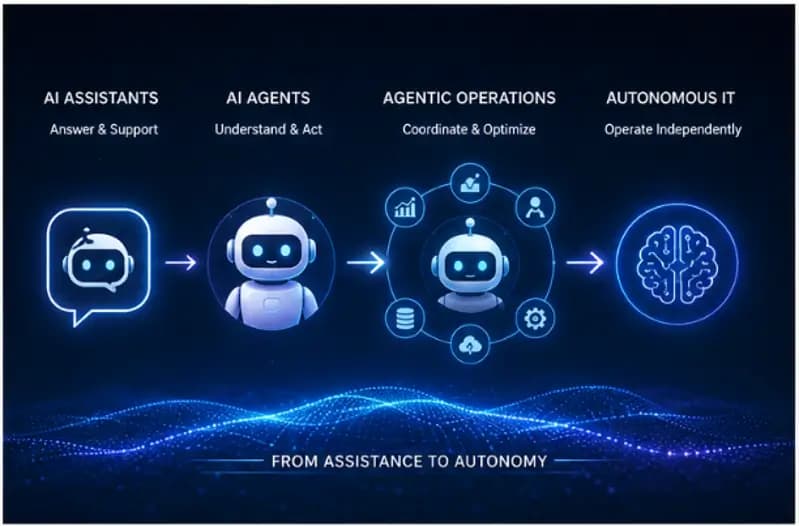
Just a few years ago, simply asking AI a question felt revolutionary.
Then came AI copilots, helping us write emails, generate code, and summarize documents.
Now, AI agents can plan tasks, use software, browse the web, and complete multi-step workflows with minimal human guidance.
It raises an interesting question:
If AI agents are today's breakthrough, what's next?
While no one can predict the future with certainty, several trends are already emerging. The next generation of AI won't just complete tasks - it will become more proactive, collaborative, personalized, and deeply integrated into our daily lives.
Here's what the future after AI agents may look like.
1. From AI Agents to AI Teams
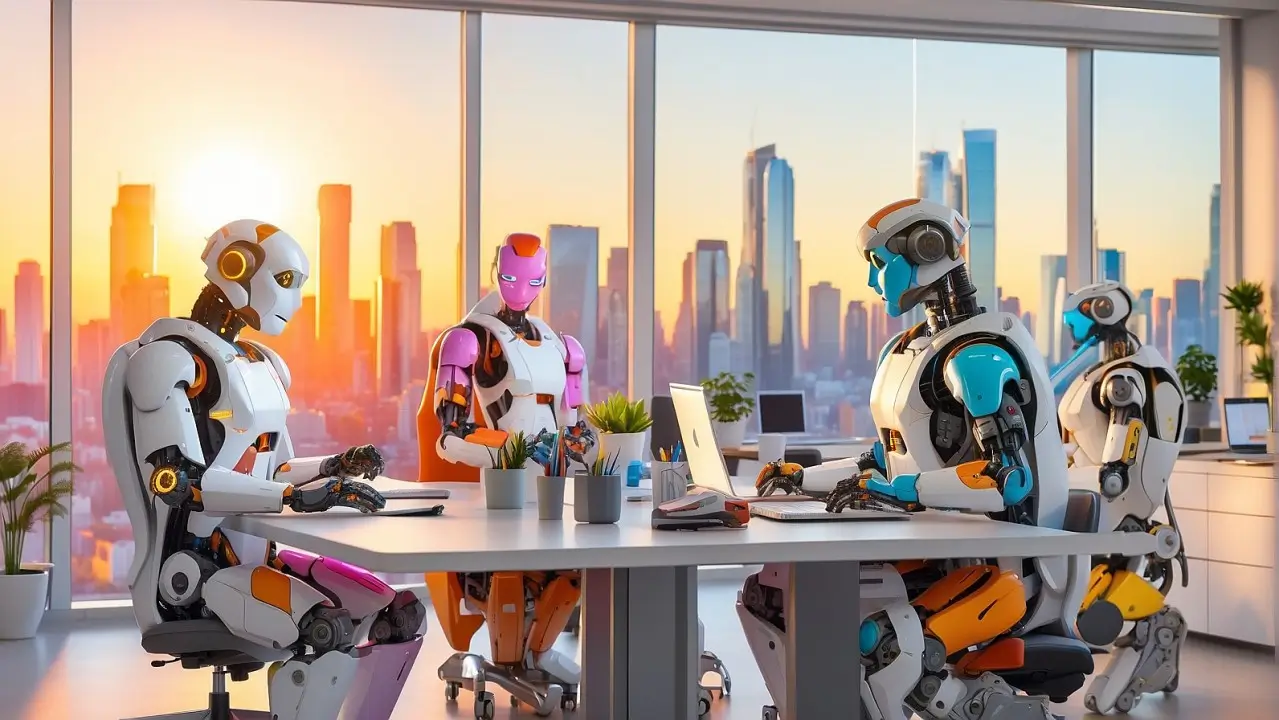
Today, we usually work with one AI assistant at a time.
Tomorrow, you'll likely work with multiple specialized AI agents collaborating behind the scenes.
Imagine launching a new product.
Instead of asking one AI to do everything, you have:
- A research agent gathering market insights
- A writing agent drafting content
- A design agent creating visuals
- A coding agent building the landing page
- A marketing agent scheduling campaigns
- A data analyst tracking performance
Each AI specializes in one area, but they communicate with one another like a real team.
Example
You simply say:
"Launch my online course next month."
Behind the scenes, your AI team researches competitors, designs the website, creates email campaigns, prepares social media posts, and builds a launch timeline.
Your role shifts from doing the work to directing the team.
2. AI That Understands You Personally
Today's AI remembers limited preferences.
Future AI will likely understand much more about how you work.
Instead of asking:
"Write this email professionally."
Your AI already knows:
- Your writing style
- Your preferred tone
- Your favorite tools
- Your work schedule
- Your recurring projects
- Your design preferences
Example
A designer opens Photoshop.
Without asking, AI suggests:
- Matching color palettes
- Frequently used fonts
- Layouts similar to previous projects
- Brand guidelines for the current client
The AI adapts to the user rather than waiting for detailed instructions.
3. AI That Acts Before You Ask
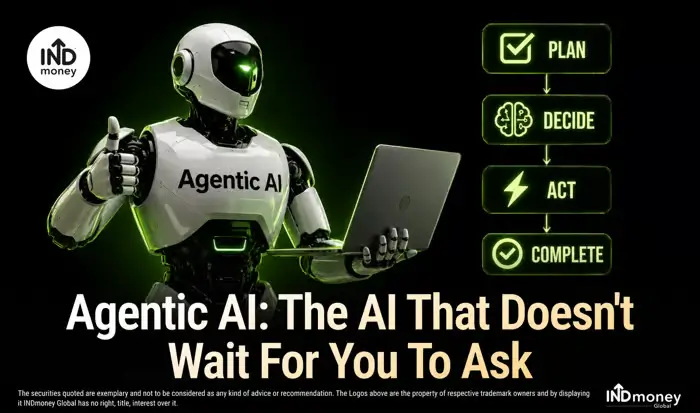
Current AI is mostly reactive.
The future is proactive.
Imagine your AI noticing that:
- A project deadline is approaching.
- Your competitor just lowered prices.
- A client hasn't replied in a week.
- Your website traffic suddenly dropped.
Instead of waiting for instructions, it alerts you and suggests actions.
Example
Your AI sends a message:
"Your top-performing blog post is losing traffic. I've identified three new keywords and drafted an updated version to help recover rankings."
No prompt required.
4. AI Across Every Device
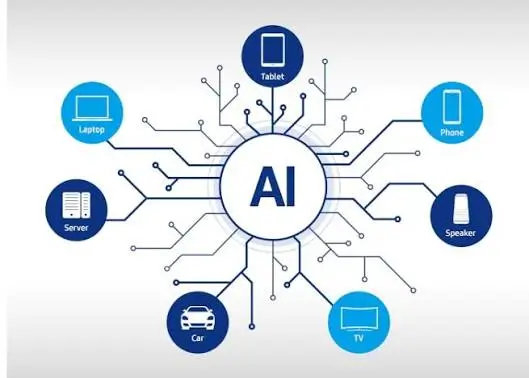
Today, AI often lives inside separate apps.
In the future, it may become part of everything you use.
Imagine starting your day.
Your phone reminds you about meetings.
Your laptop has already summarized overnight emails.
Your smart glasses display navigation to your next appointment.
Your car suggests leaving earlier because traffic is building.
None of these systems feel like separate AI tools.
They're simply part of your environment.
5. AI That Understands the Physical World
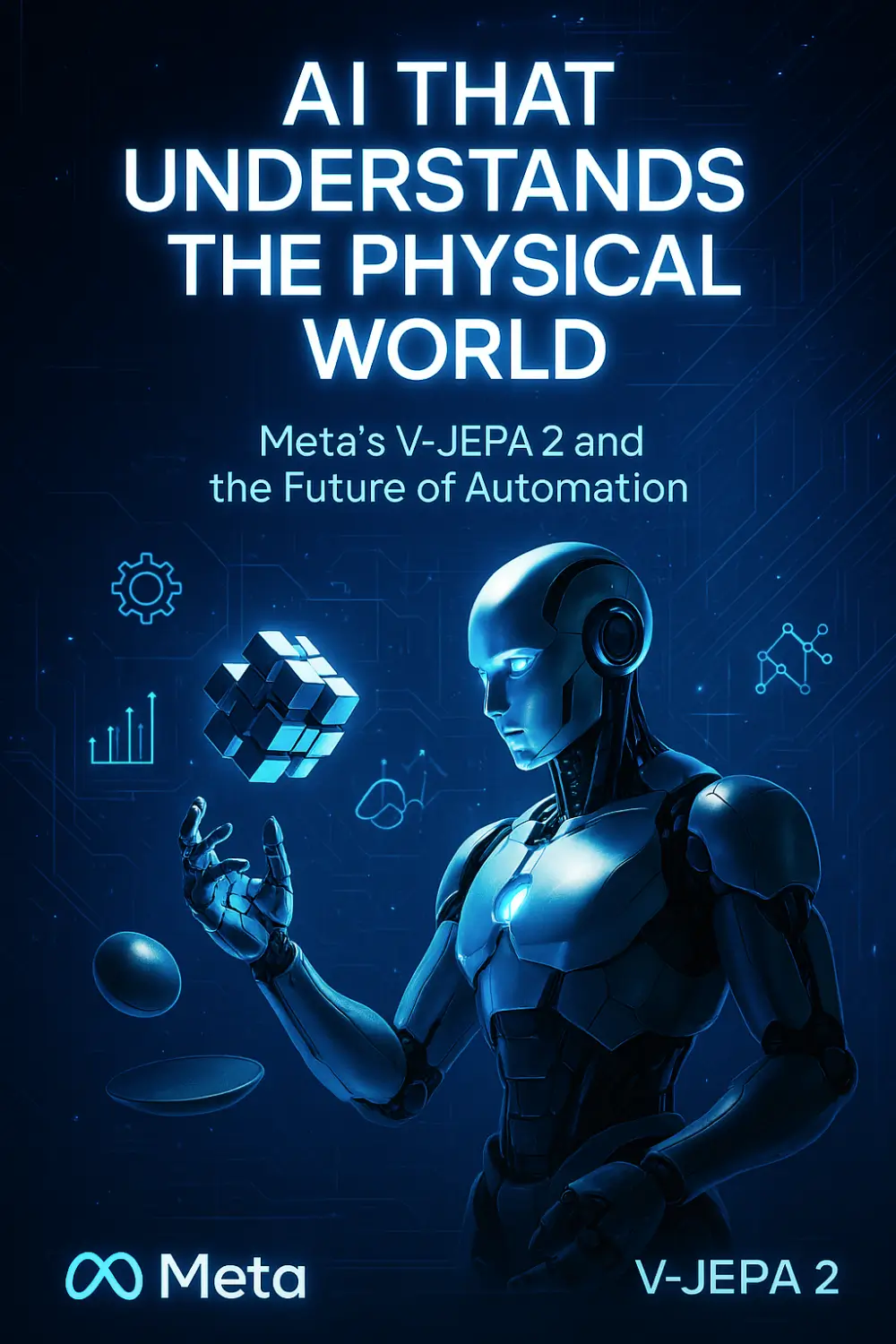
AI is moving beyond text and images.
It will increasingly understand video, sound, location, and real-world environments.
Example
You point your phone at a broken coffee machine.
Instead of searching YouTube, your AI:
- Identifies the model
- Detects the problem
- Shows repair instructions in augmented reality
- Orders replacement parts if needed
The interaction becomes visual rather than text-based.
6. AI Collaborating With Humans in Real Time
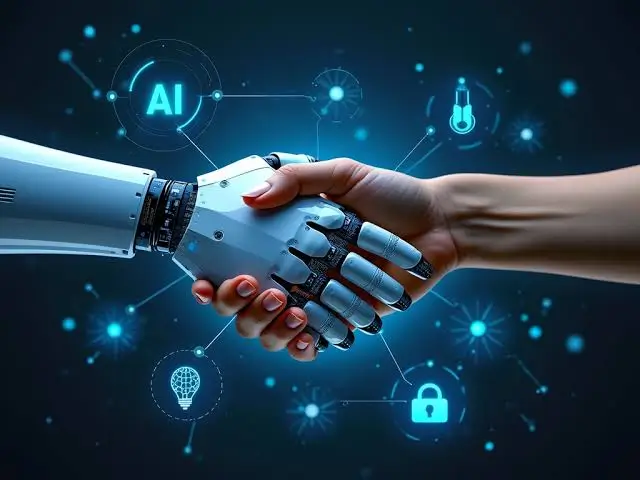
Today's AI often works before or after meetings.
Future AI will participate during them.
Example
During a product meeting, AI could:
- Summarize discussions live
- Identify unanswered questions
- Display supporting market research
- Highlight conflicting decisions
- Assign action items automatically
Instead of taking notes, everyone stays focused on the conversation.
7. AI With Long-Term Memory
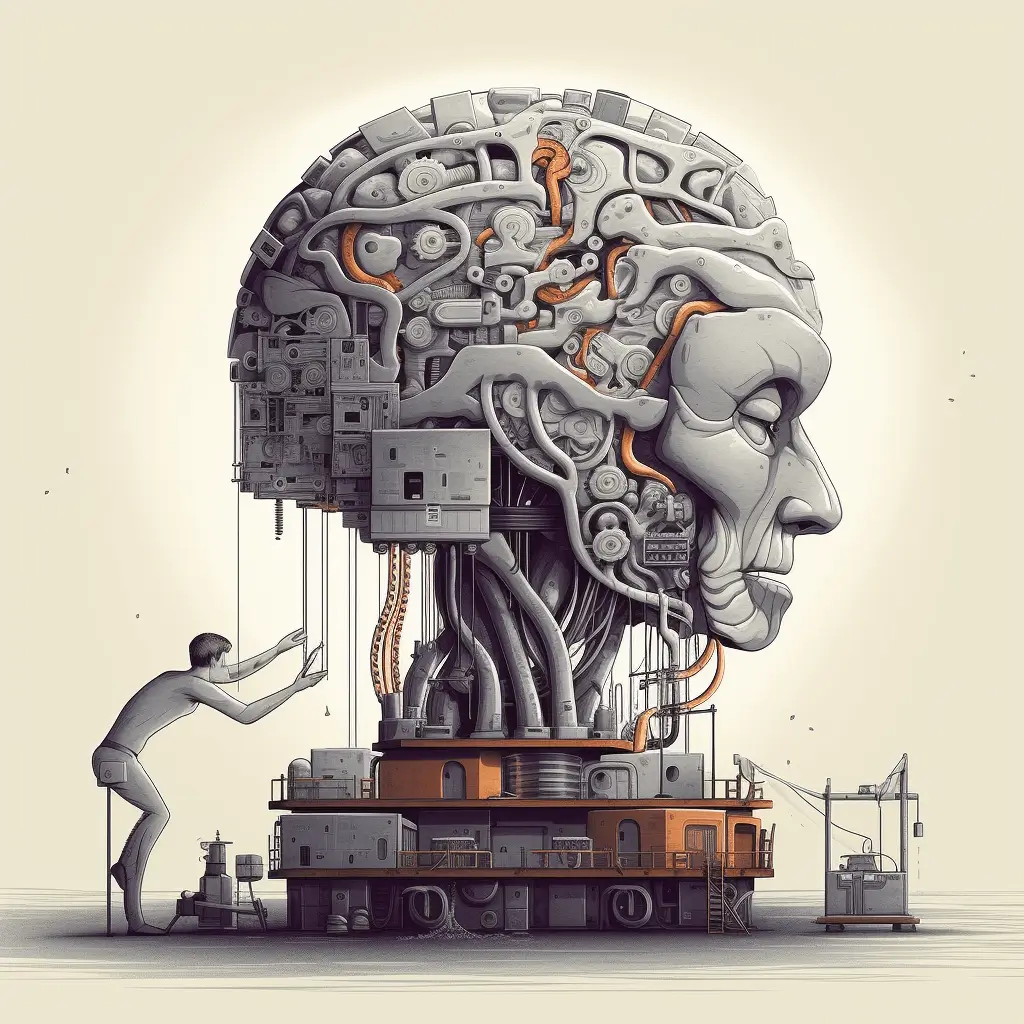
Most AI tools today have limited memory across conversations.
Future systems are likely to build a much richer understanding over time.
Imagine your AI remembering:
- Your career goals
- Your fitness progress
- Your favorite design style
- Your business strategy
- Your preferred learning methods
Example
You're planning a conference presentation.
Your AI remembers previous slides you've created, knows your speaking style, avoids repeating examples you've used before, and suggests new visuals that fit your brand.
Every interaction improves future collaboration.
8. AI That Manages Entire Businesses
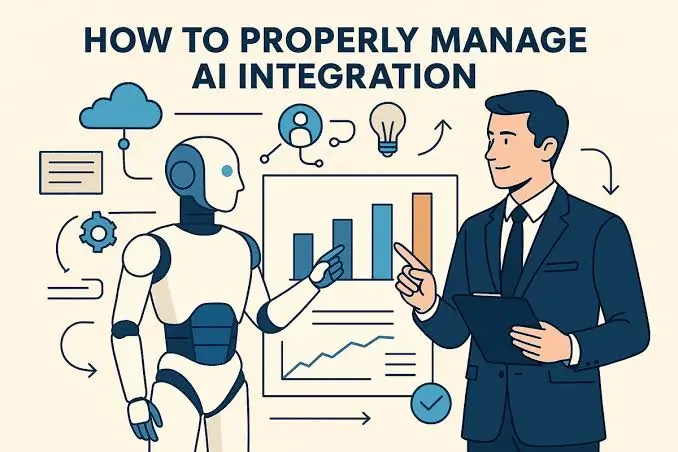
Today's AI can automate individual tasks.
Tomorrow, it may coordinate complete business operations.
Imagine running a small online store.
Instead of managing everything manually, your AI:
- Monitors inventory
- Adjusts advertising budgets
- Responds to customers
- Tracks shipping delays
- Creates weekly reports
- Suggests pricing changes
You spend more time making strategic decisions while AI handles routine operations.
9. AI That Works Together Across Companies
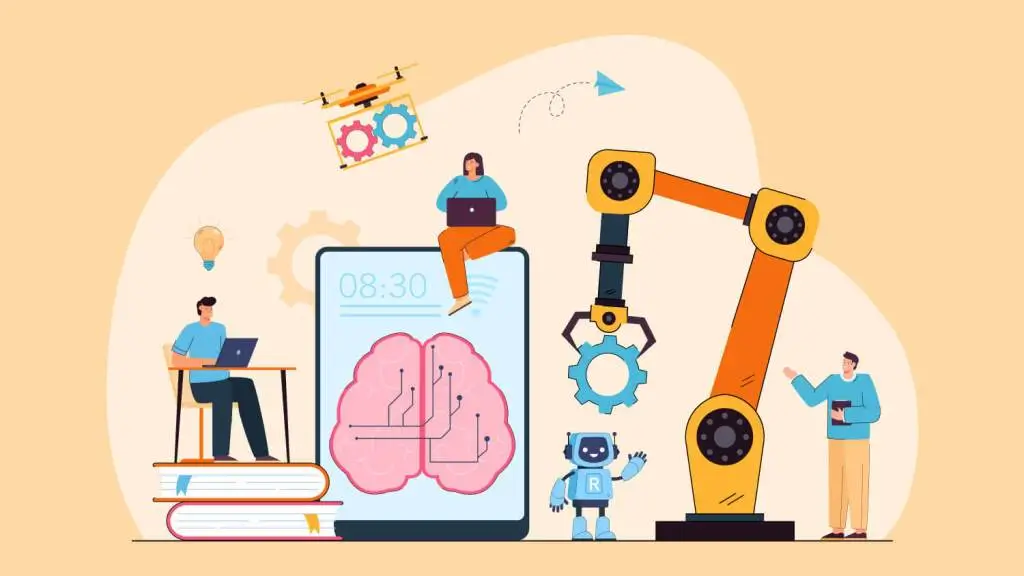
Future AI agents won't be limited to one platform.
They'll collaborate across services.
Example
You book an international trip.
Your AI automatically:
- Finds flights
- Reserves hotels
- Adds events to your calendar
- Checks visa requirements
- Converts currency
- Creates a packing checklist
- Monitors flight delays
Instead of switching between ten apps, one conversation handles everything.
10. Human Skills Become Even More Valuable

Ironically, as AI becomes more capable, uniquely human skills become even more important.
These include:
- Creativity
- Leadership
- Critical thinking
- Emotional intelligence
- Negotiation
- Ethical judgment
- Strategic decision-making
AI may generate hundreds of ideas.
Humans decide which ones matter.
AI may automate tasks.
Humans create vision.
Will AI Replace Jobs?
This question comes up every time AI evolves.
History suggests technology usually changes jobs more than it eliminates them.
Just as spreadsheets didn't eliminate accountants and Photoshop didn't eliminate designers, AI is likely to reshape how people work.
Many repetitive tasks will disappear.
New roles will emerge around managing, supervising, and collaborating with AI.
The most successful professionals won't necessarily be the ones who know the most about AI.
They'll be the ones who know how to combine AI with human expertise.
Final Thoughts
AI agents are an important milestone, but they're unlikely to be the final destination.
The future isn't about a single super-intelligent chatbot.
It's about intelligent systems working together, understanding context, anticipating needs, and blending seamlessly into the tools we already use.
In the years ahead, the question may no longer be:
"Which AI tool should I use?"
Instead, it might become:
"What do I want to accomplish today?"
And your AI team quietly handles the rest.
The age of AI agents has only just begun. What's next isn't more AI - it's AI that feels less like software and more like a trusted collaborator.