Artificial Intelligence has become part of everyday life.
Whether you're writing emails, creating presentations, generating images, or researching a new topic, chances are you're using AI regularly. Yet despite how common AI tools have become, many people still use them in ways that limit their potential - or worse, produce inaccurate or low-quality results.
The truth is, using AI effectively isn't about knowing the latest prompt tricks. It's about understanding when to trust AI, when to guide it, and when to rely on your own judgment.
Here are seven common AI mistakes people are still making in 2026 - and how to avoid them.
1. Treating AI Like Google

One of the biggest misconceptions is using AI the same way you use a search engine.
Instead of asking:
"Photoshop"
or
"Best CRM"
people often type short keywords and expect great answers.
AI performs much better when you provide context.
For example, instead of writing:
"Best AI video editor"
try:
"I'm a content creator making short-form videos for Instagram and TikTok. Recommend three AI video editors under $30/month, compare their strengths, and tell me which one is best for beginners."
The more context you provide, the more useful the response becomes.
2. Believing Everything AI Says

AI sounds confident - even when it's wrong.
It may:
- Invent facts
- Misquote sources
- Miscalculate numbers
- Reference outdated information
- Misunderstand complex questions
Example
Imagine asking:
"Can I travel to Japan without a visa?"
Depending on your nationality and the latest regulations, the answer may change over time.
Instead of relying solely on AI, always verify important information using official government websites or trusted sources.
AI is an excellent assistant, but it shouldn't be your only source for decisions involving finances, healthcare, legal matters, or travel.
3. Using the Same Prompt for Every Task
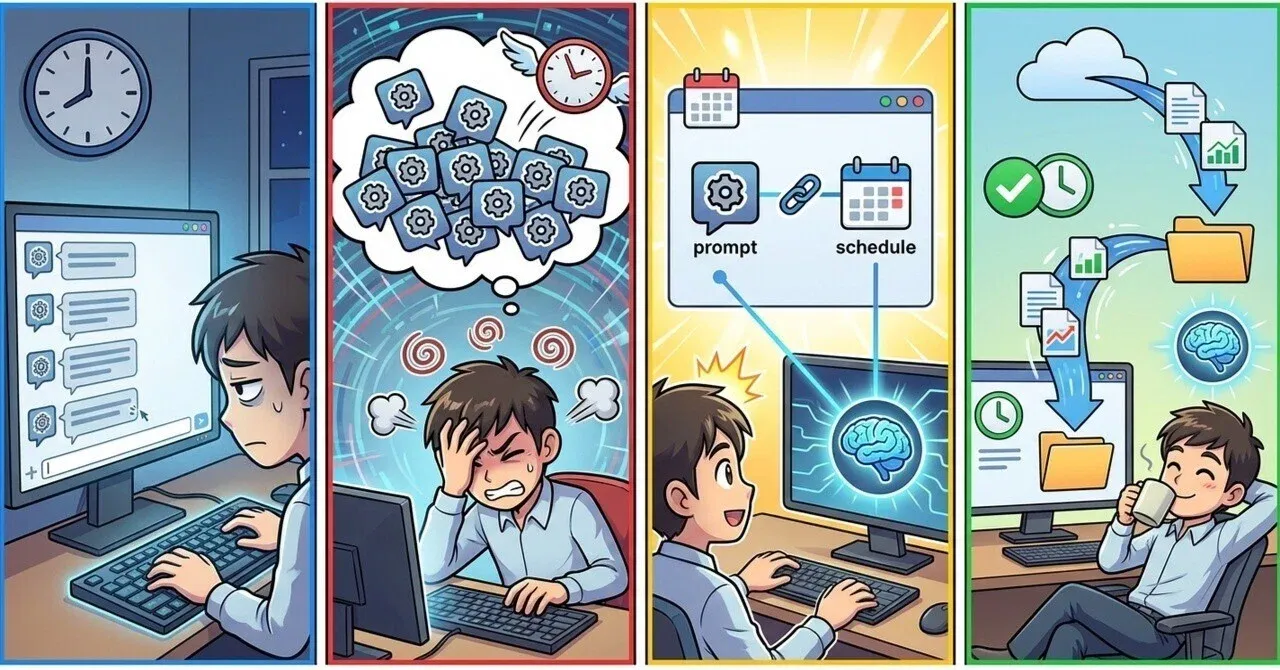
Many users copy and paste the same prompt template for everything.
But writing a blog post, analyzing data, and planning a vacation require different instructions.
A better approach is to adapt your prompt to the task.
For example:
For writing:
"Write a friendly blog post for beginners with real-world examples."
For analysis:
"Identify patterns, explain anomalies, and summarize the key findings."
For learning:
"Explain this concept as if I'm a high school student."
AI performs best when you clearly define the goal.
4. Skipping Human Review
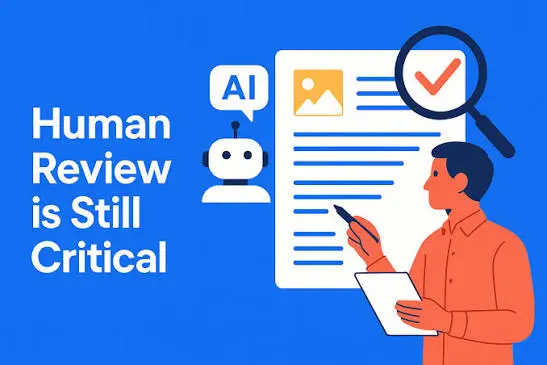
AI can draft content in seconds.
That doesn't mean you should publish it immediately.
Whether it's an email, article, social media post, or presentation, take a few minutes to review:
- Facts
- Tone
- Grammar
- Brand voice
- Sensitive wording
Personal Experience
When I use AI to help write blog articles, I rarely publish the first draft.
Instead, I refine the introduction, add personal insights, update examples, and verify any statistics or product information.
The final result feels much more authentic because AI handles the heavy lifting while I provide the human perspective.
5. Choosing the Wrong AI Tool

Not every AI tool is designed for the same job.
For example:
- ChatGPT is excellent for writing and brainstorming.
- Claude is known for handling long documents and thoughtful analysis.
- Perplexity is useful for research with source citations.
- Midjourney and Flux excel at image generation.
- Gamma helps create presentations quickly.
Trying to use one AI tool for everything often leads to frustration.
Instead, build a small toolkit of tools that match your workflow.
6. Sharing Sensitive Information

As AI becomes more integrated into workplaces, it's easy to forget what you're uploading.
Avoid sharing:
- Confidential contracts
- Customer databases
- Passwords
- Financial records
- Private medical information
- Company secrets
If you're working with sensitive data, follow your organization's security policies and use trusted AI services with appropriate privacy protections.
Convenience should never come at the expense of security.
7. Expecting AI to Replace Critical Thinking
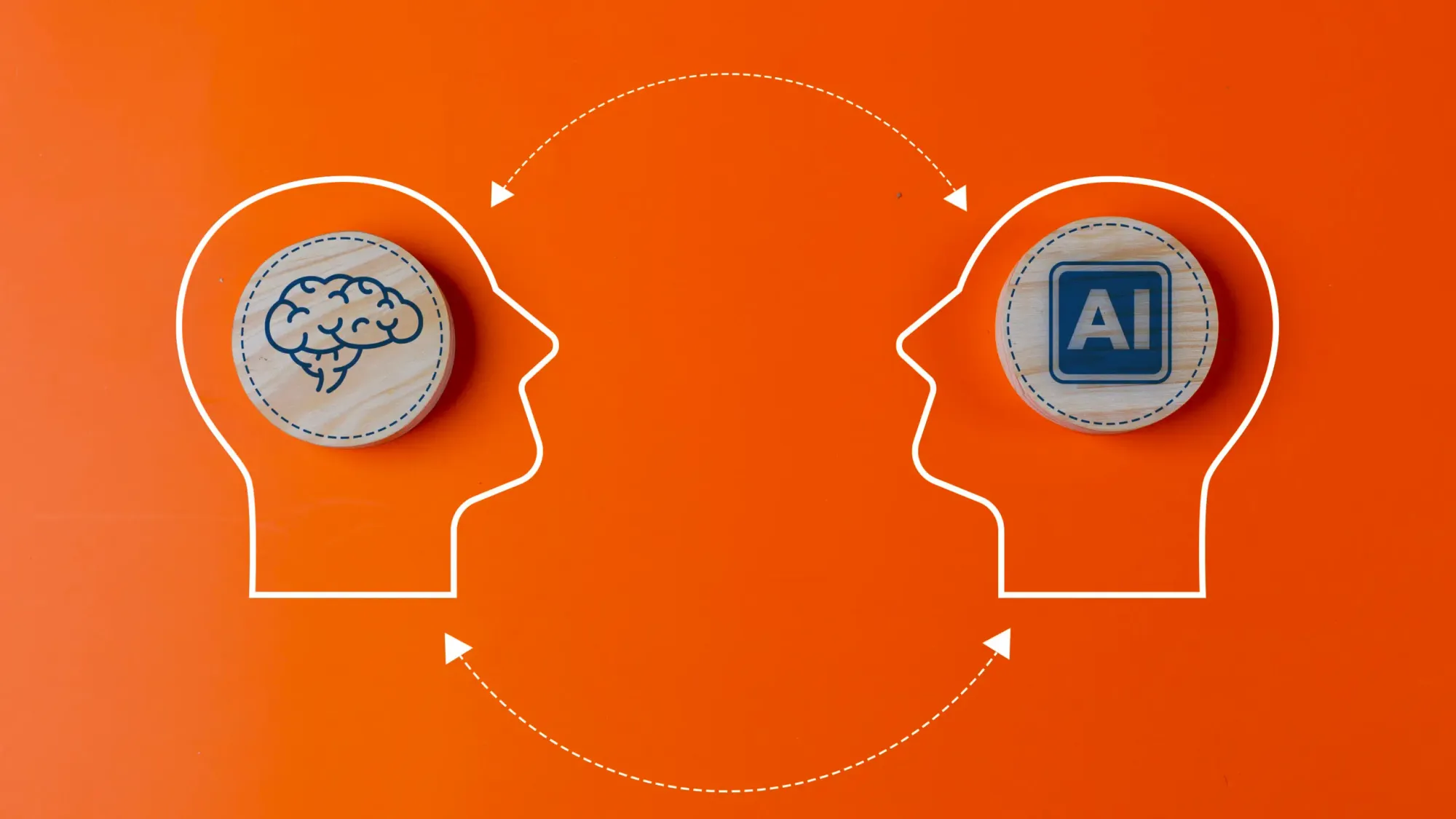
Perhaps the biggest mistake is assuming AI should make every decision for you.
AI can:
- Summarize information
- Generate ideas
- Compare options
- Automate repetitive work
But it can't fully understand your personal goals, business strategy, or unique circumstances.
Imagine asking AI:
"Should I quit my job?"
It might provide a balanced list of pros and cons, but only you know your financial situation, career ambitions, family responsibilities, and risk tolerance.
The best results come when AI supports your thinking - not replaces it.
Bonus Tips for Getting Better Results with AI

If you want AI to become a genuinely useful partner, try these habits:
- Give clear context before asking a question.
- Specify your audience, goal, and preferred format.
- Ask follow-up questions instead of starting over.
- Verify important facts from trusted sources.
- Edit AI-generated content before publishing.
- Experiment with different AI tools for different tasks.
- Keep learning - AI evolves quickly, and so do the best ways to use it.
Small improvements in how you interact with AI can lead to much better results.
Final Thoughts
AI has become incredibly powerful, but it's still just a tool.
The people who benefit the most from AI aren't necessarily those with access to the newest models - they're the ones who know how to use AI thoughtfully.
By avoiding these seven common mistakes, you'll get more accurate answers, create higher-quality work, and build a workflow where AI enhances your skills instead of replacing them.
In 2026, success isn't about using AI for everything.
It's about knowing when to trust it, when to question it, and when your own judgment matters most.