For a long time, horoscopes were something people read in newspapers, magazines, or astrology books. Today, horoscope reading has moved into apps, websites, and now artificial intelligence.
Instead of reading a general daily horoscope for all people born under the same zodiac sign, users can now ask AI much more specific questions:
“Will this be a good year for my career?”
“What does my birth chart say about my personality?”
“Why do I keep repeating the same relationship pattern?”
“What should I focus on this month?”
“What does my zodiac sign say about my love life?”
Within seconds, AI can generate a personalized astrology-style reading based on your birth date, birth time, birth location, zodiac sign, tarot cards, numerology, or even your own emotional question.
This raises an interesting question: Is AI astrology the future of horoscope reading, or is it just another form of entertainment?
What Is AI Astrology?
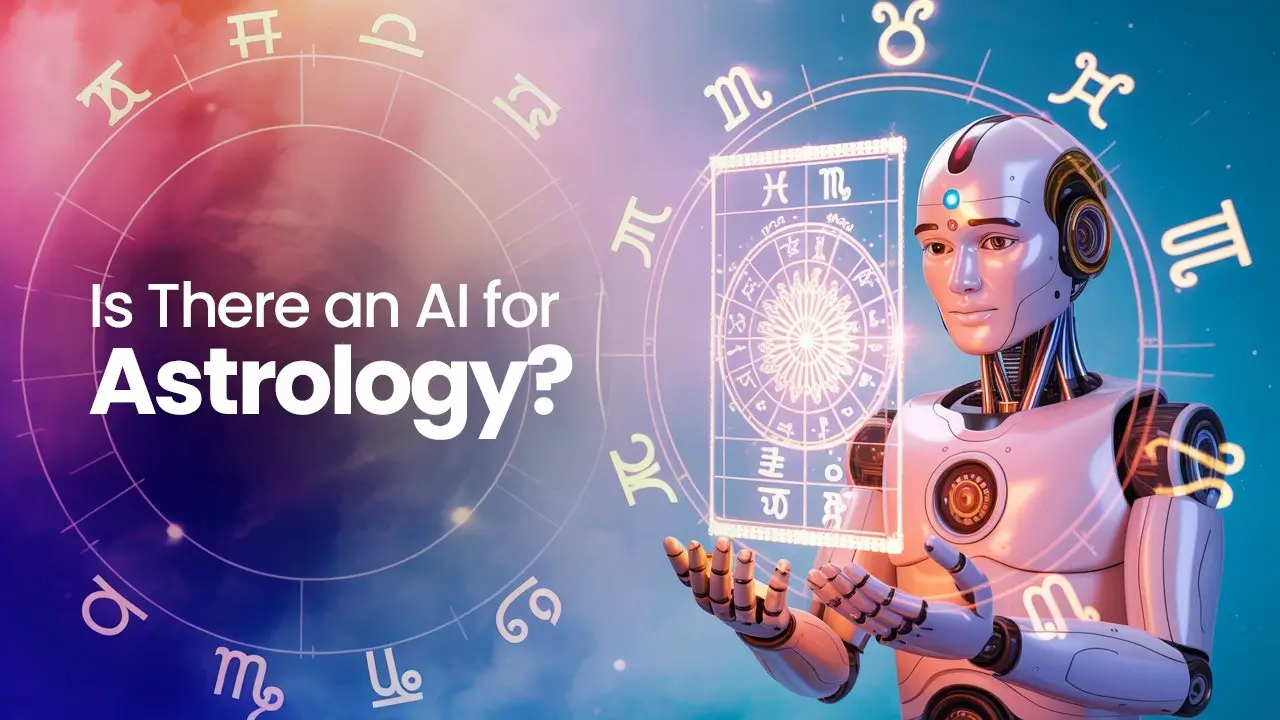
AI astrology is the combination of traditional astrology and artificial intelligence. Traditional astrology usually involves zodiac signs, planets, houses, birth charts, transits, compatibility, and timing. AI does not replace all of that knowledge, but it can turn astrology-related data into easy-to-read explanations.
Some AI astrology tools ask for your birth date, birth time, and birth location. Then they generate a birth chart or horoscope reading. Other tools work more like chatbots, where you can ask questions about love, career, money, personality, or emotional growth.
For example, Co - Star says its natural-language engine uses NASA data and methods from professional astrologers to generate personalized insights about identity and relationships. AstroGPT describes itself as an AI-powered astrology platform for personalized astrology readings, tarot cards, horoscopes, numerology, and spiritual guidance.
In simple words, AI astrology makes horoscope reading more interactive. Instead of only reading “Today will be a lucky day,” users can ask follow-up questions, request a different tone, or turn the reading into practical advice.
Why Are People Interested in AI Horoscope Tools?
The biggest reason is personalization.
Traditional horoscopes are often written for millions of people under the same zodiac sign. Every Aries, Virgo, or Scorpio may read the same daily message. AI horoscope tools feel more personal because users can enter their own details and ask specific questions.
Another reason is speed. In the past, getting a detailed astrology reading often required booking an astrologer or studying astrology yourself. Now, AI can generate a reading instantly.
AI astrology also fits the way people already use AI today. Many users ask AI to write emails, plan trips, create social media captions, summarize documents, and give advice. So it feels natural that some people also use AI for self-reflection, love questions, career direction, and life guidance.
However, this does not mean AI can truly predict your future. AI is very good at language, patterns, and personalization, but it does not have magical knowledge about your destiny.
Examples of AI Astrology Websites and Apps
1. AstroGPT
AstroGPT is one of the clearest examples of AI astrology. It offers personalized astrology readings, tarot cards, horoscopes, numerology, and spiritual guidance powered by AI.
How to use it:
Go to AstroGPT and choose the type of reading you want. You can ask about love, career, personal growth, money, or daily energy.
Example prompt:
“Based on my birth chart, what should I focus on in my career this month?”
Another example:
“What does my zodiac sign say about my current relationship pattern?”
AstroGPT is useful for people who want quick AI-generated horoscope-style answers. It is especially good for users who enjoy spiritual guidance, tarot-style reading, and astrology-based self-reflection.
Best for: quick AI horoscope readings, tarot-style questions, daily guidance, and spiritual content.
2. Co - Star
Co - Star is a popular astrology app known for hyper-personalized horoscopes and relationship insights. The platform says it uses NASA data, a natural-language engine, and methods from professional astrologers to generate insights about who you are and how you relate to others.
How to use it:
Download the app and enter your birth date, birth time, and birth location. The app creates your birth chart and gives daily insights. You can also add friends and compare compatibility.
Example use cases:
Check your daily horoscope.
Compare your chart with a friend or partner.
Read relationship compatibility insights.
Reflect on your personality traits.
Co - Star is popular because it feels modern, direct, and sometimes brutally honest. It is less like a traditional astrology book and more like a daily personal insight app.
Best for: daily horoscope notifications, birth chart insights, relationship compatibility, and modern astrology users.
3. The Pattern
The Pattern focuses less on complicated astrology language and more on emotional cycles, relationship patterns, personality traits, and life timing. Its official website describes customized insights into personality traits and notable cycles users may be experiencing.
How to use it:
Create a profile with your birth information. Then explore sections about your personal pattern, relationships, timing, and emotional cycles.
Example use cases:
Understand your emotional habits.
Explore relationship compatibility.
Reflect on repeated life patterns.
Look at important dates or personal timing.
The Pattern is useful for users who do not want to study astrology deeply but still want thoughtful personal insights. It feels more like a self-reflection and relationship app than a traditional horoscope app.
Best for: emotional reflection, relationship insights, personality patterns, and users who prefer simple language.
4. Claude
Claude is not a dedicated astrology app, but it can be very useful for AI astrology content, horoscope-style writing, and reflective life guidance.
Unlike apps that only give fixed readings, Claude allows users to create customized prompts. You can ask Claude to write a daily horoscope, explain zodiac signs, create birth chart-style reflections, generate tarot-inspired journaling prompts, or turn astrology ideas into blog posts and social media content.
Claude is especially useful for creators because it can organize long-form content. Claude Projects allow users to create workspaces with their own chat histories and knowledge bases, and users can upload relevant documents or context into a project. Claude can also create substantial standalone content in Artifacts, which is useful for drafts, tools, visualizations, or content that users may want to revise later.
How to use Claude for AI astrology:
Start a new chat and give Claude clear instructions. Instead of asking Claude to “predict my future,” it is better to ask for astrology-inspired reflection.
Example prompt:
“Act as an astrology-inspired self-reflection coach. My zodiac sign is Libra. I was born on [date] at [time] in [city]. Give me a monthly reflection for love, career, money, and emotional growth. Do not make absolute predictions. Give practical advice and journaling questions.”
You can also use Claude for content creation.
Example prompt:
“Create 12 short Instagram captions for each zodiac sign about what they need to hear this week. Make the tone emotional, modern, and inspiring. Keep each caption under 25 words.”
Another example:
“Write a 30-second TikTok script about how each zodiac sign handles stress. Make it fun, relatable, and suitable for a faceless video.”
For bloggers, Claude can help turn one astrology idea into many formats:
Daily horoscope posts
Weekly zodiac newsletters
Blog outlines
Instagram captions
TikTok scripts
Tarot-style journaling prompts
Relationship compatibility content
Zodiac personality descriptions
Claude is not a fortune teller. It cannot truly know what will happen in your life. But it can help you turn astrology into reflective, well-written, and practical content.
Best for: bloggers, creators, writers, horoscope content, journaling prompts, and astrology-style self-reflection.
5. ChatGPT and Other General AI Chatbots
General AI chatbots can also be used for horoscope-style readings. Like Claude, they are not astrology apps by default, but they can generate astrology-inspired content if you give them the right prompt.
The quality of the result depends heavily on how specific your prompt is. A weak prompt like “Tell me my future” may produce a vague answer. A better prompt gives the AI a clear role, context, and boundaries.
Example prompt:
“Act as an astrology-inspired journaling coach. My zodiac sign is Virgo. Give me a weekly reflection for career, love, health, and personal growth. Keep it realistic, practical, and avoid fixed predictions.”
You can also ask for content ideas:
“Give me 10 blog topics about AI astrology, horoscope apps, and digital spirituality.”
Or:
“Create a comparison table between traditional astrology and AI astrology.”
General AI chatbots are flexible because they can write, summarize, explain, compare, and generate creative ideas. But users should always remember that the result is language generation, not guaranteed truth.
Best for: flexible prompts, writing support, content creation, and personal reflection.
How to Use AI Astrology Wisely
AI astrology can be fun, creative, and even meaningful when used in the right way. The best way to use it is not as a strict prediction tool, but as a reflection tool.
For example, if an AI horoscope says:
“This month is a good time to rethink your career direction.”
Instead of believing this as destiny, you can use it as a journaling prompt:
“What do I really want from my work?”
“What kind of career gives me energy?”
“What am I avoiding?”
“What is one small step I can take this week?”
In this way, AI astrology becomes more useful. It helps you pause, reflect, and ask better questions about your life.
You can use AI astrology for:
Daily reflection
Journaling prompts
Relationship self-awareness
Career motivation
Creative inspiration
Social media content
Fun conversations with friends
Personal growth exercises
But you should avoid using AI astrology for serious decisions such as:
Medical treatment
Legal problems
Financial investment
Marriage decisions
Quitting a job
Ending a relationship
Making major life choices without real-world information
AI astrology should support your thinking, not replace your judgment.
Is AI Astrology Accurate?
This is the most important question.
AI can generate answers that feel very personal. It can use emotional language, familiar personality descriptions, and confident explanations. But that does not prove that AI can predict your future.
A 2026 machine-learning paper testing zodiac-based personality prediction argued that zodiac systems did not provide reliable predictive information and that astrology’s appeal may come from broad personality descriptions, cognitive bias, and flexible interpretation.
Another study on belief in AI predictions found that people’s belief in AI-generated predictions can be influenced by psychological factors, including positive attitudes toward AI and belief in paranormal predictions. The researchers described this as a form of “rational superstition,” where people may trust AI predictions because they feel personalized or intelligent.
This does not mean astrology has no value. Many people use astrology not because they believe every prediction is true, but because it helps them reflect on emotions, relationships, identity, and timing.
The key is to understand the difference between prediction and reflection.
Prediction says:
“This will happen to you.”
Reflection says:
“This is something you may want to think about.”
AI astrology is much safer and more useful when treated as reflection.
The Entertainment Side of AI Astrology
For many users, AI astrology is simply fun.
It is similar to reading a personality quiz, tarot card, zodiac meme, or monthly horoscope. It gives people something to think about, share, and discuss.
This is why astrology content works well on social media. It combines identity, curiosity, emotion, and personalization.
For example, creators can use AI tools to make content like:
“What your zodiac sign needs to hear this week”
“AI reads my birth chart”
“Your career advice based on your zodiac sign”
“Zodiac signs as AI-generated movie characters”
“How each zodiac sign handles heartbreak”
“What 2026 means for your zodiac sign”
Claude, ChatGPT, and other AI writing tools are especially useful for this type of content because they can quickly turn one idea into captions, scripts, blog posts, newsletters, or short videos.
The Future of AI Astrology
AI astrology will probably become more visual, more personalized, and more interactive.
In the future, people may not only read horoscopes. They may talk to AI astrologers through voice chat, receive daily emotional check-ins, generate visual birth charts, combine astrology with journaling, or create AI tarot readings.
Some tools may combine astrology with wellness, meditation, habit tracking, relationship coaching, or personal productivity. Others may focus more on entertainment and social sharing.
However, the future of AI astrology depends on how responsibly it is used.
If AI astrology is presented as entertainment or self-reflection, it can be enjoyable and helpful. But if it claims to predict life with certainty, users should be careful.
The best version of AI astrology is not an AI fortune teller that controls your life. It is an AI reflection tool that helps you understand your thoughts, emotions, and choices more clearly.
Final Thoughts
So, is AI astrology the future of horoscope reading or just entertainment?
The answer is: it can be both.
As entertainment, AI astrology is fun, fast, and highly shareable. It makes horoscope reading more interactive and personal.
As a self-reflection tool, it can help users think about emotions, habits, relationships, goals, and life direction.
But as a prediction tool, it has serious limits. AI cannot truly know your future. It can only generate interpretations based on the information you provide and the patterns it has learned.
The smartest way to use AI astrology is simple:
Enjoy it.
Reflect on it.
Use it for inspiration.
But do not let it make important decisions for you.
AI may not be able to read your destiny, but it can help you ask better questions about your life.