Introduction
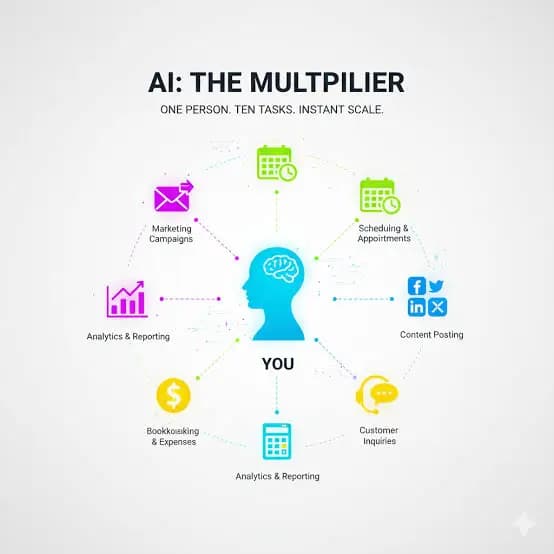
Not long ago, running a business alone meant wearing every hat yourself -marketer, designer, customer support, accountant, copywriter, and salesperson. It was exhausting, and growth often depended on hiring more people.
Today, AI is changing that equation.
A single entrepreneur can now create content, design products, answer customer questions, build websites, analyze data, and even automate repetitive workflows - all without a large team. While AI doesn't replace creativity, expertise, or strategic thinking, it dramatically increases what one person can accomplish.
Welcome to the era of the AI-powered one - person business.
What Is an AI-Powered One - Person Business?
A one-person business is exactly what it sounds like: a business operated primarily by one individual.
The difference today is that instead of hiring multiple employees, entrepreneurs are hiring AI assistants.
Think of AI as your:
- Marketing assistant
- Graphic designer
- Video editor
- Virtual secretary
- Customer support representative
- Data analyst
- Software developer
- Research assistant
Instead of managing people, you're managing AI tools.
Why This Trend Is Growing So Fast

Several factors have made solo entrepreneurship more attractive than ever.
1. Lower Startup Costs
Launching a business used to require significant investment.
You might need:
- A designer
- A web developer
- Copywriters
- Video editors
- Marketing agencies
Today, AI handles much of that work for a fraction of the cost.
2. Faster Execution
Instead of spending days writing a landing page or editing a promotional video, AI can generate a first draft in minutes.
This means entrepreneurs can spend more time improving ideas rather than creating everything from scratch.
3. Global Reach
AI-powered businesses can serve customers around the world.
Translation tools, multilingual chatbots, automated scheduling, and localized content make international expansion easier than ever.
A Day in the Life of an AI Entrepreneur

Imagine Sarah, who sells digital productivity templates online.
Here's what her workday looks like.
Morning
She asks ChatGPT to brainstorm blog ideas.
Within minutes, she has:
- SEO keywords
- Blog outlines
- Social media captions
- Email newsletter drafts
Midday
She uses AI image generators to create product mockups.
Instead of hiring a designer, she produces polished visuals herself.
Afternoon
AI edits short-form videos for TikTok and Instagram.
Captions, transitions, and subtitles are generated automatically.
Evening
Customer questions are answered by an AI chatbot.
Orders are automatically processed.
Analytics dashboards summarize daily performance before bedtime.
Sarah is technically a solo founder - but AI helps her operate like a small company.
Essential AI Tools for Solo Businesses
Writing & Research
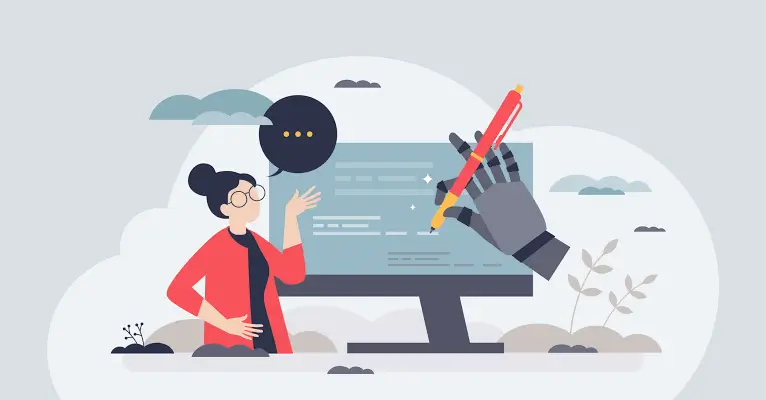
Popular tools include:
- ChatGPT
- Claude
- Gemini
Best for:
- Blog writing
- Product descriptions
- Emails
- Brainstorming
- Market research
Graphic Design
Tools such as:
- Canva AI
- Adobe Express
- MagicShot AI
Useful for:
- Social media graphics
- Product photos
- Marketing materials
- Ads
Video Creation
AI video tools can generate:
- Short videos
- Marketing clips
- Tutorials
- Voiceovers
- Subtitles
Examples include:
- Runway
- Higgsfield AI
- Pika
- CapCut AI
Website Building
Modern AI website builders help create websites without coding.
You simply describe your business, and AI generates:
- Homepage
- Product pages
- Contact forms
- Layouts
Customer Support
AI chatbots can:
- Answer FAQs
- Track orders
- Recommend products
- Collect leads
- Book appointments
This keeps businesses responsive even while the owner is offline.
What AI Still Can't Replace
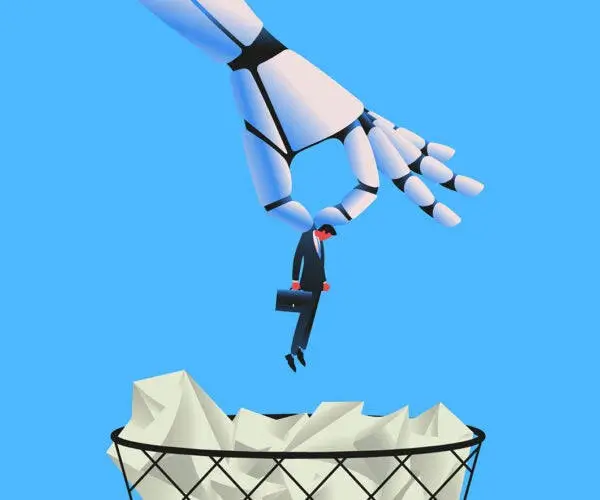
Despite impressive capabilities, AI isn't a substitute for human judgment.
Successful entrepreneurs still provide:
Strategic Decisions
AI offers suggestions.
You decide where the business goes.
Relationship Building
Customers buy from people they trust.
Authentic conversations, empathy, and long-term relationships remain human strengths.
Creativity and Vision
AI generates ideas from existing information.
Original vision, unique experiences, and bold decisions still come from you.
Final Quality Control
AI can make mistakes.
Always review:
- Facts
- Numbers
- Legal information
- Brand messaging
- Customer communications
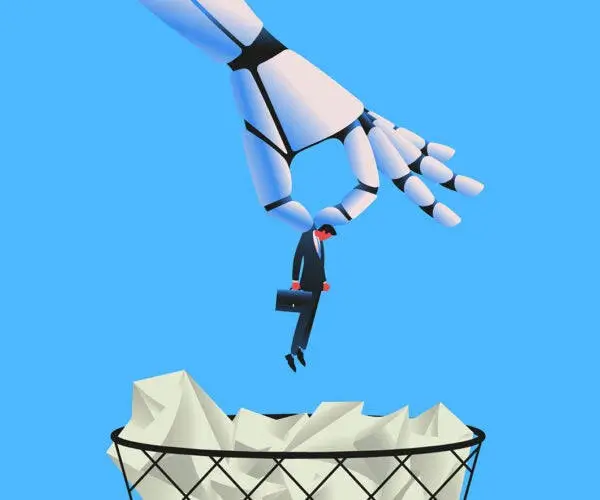
Think of AI as a highly capable intern - not an autopilot.
Common Mistakes to Avoid
Using Too Many AI Tools
More tools don't necessarily mean higher productivity.
Choose a small set of reliable tools that integrate well with your workflow.
Publishing AI Content Without Editing
Readers can often recognize generic AI-generated writing.
Add personal stories, examples, and opinions to make your content stand out.
Automating Everything
Customers still appreciate genuine human interaction.
Use AI to save time - not to eliminate personal connection.
Ignoring Data Privacy
Be careful when sharing confidential information with AI platforms.
Review privacy policies and avoid uploading sensitive customer data unless you understand how it's handled.
Getting Started in One Weekend
If you're new to AI entrepreneurship, start small.
Day 1
- Choose one business idea.
- Create a simple website using AI.
- Design a logo and basic branding.
- Write an "About" page.
Day 2
- Publish one blog post.
- Create three social media posts.
- Design one product image.
- Set up an AI chatbot or contact form.
By the end of the weekend, you'll have the foundation of a real business.
The Future Belongs to AI - Augmented Entrepreneurs
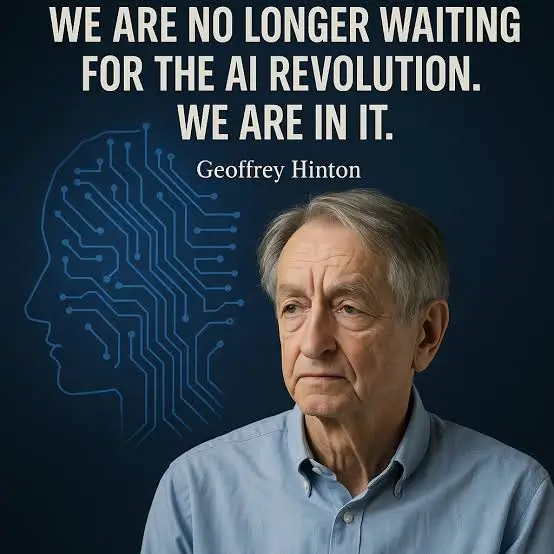
AI isn't replacing entrepreneurs.
It's empowering them.
The biggest advantage isn't that AI does your work - it's that AI lets you focus on the work that matters most: solving problems, building relationships, and making strategic decisions.
A decade ago, building a global business often required a sizable team and a significant budget. Today, one motivated entrepreneur equipped with the right AI tools can launch faster, test ideas more efficiently, and compete on a much larger stage.
The future isn't about working harder.
It's about working smarter - with AI as your most valuable teammate.