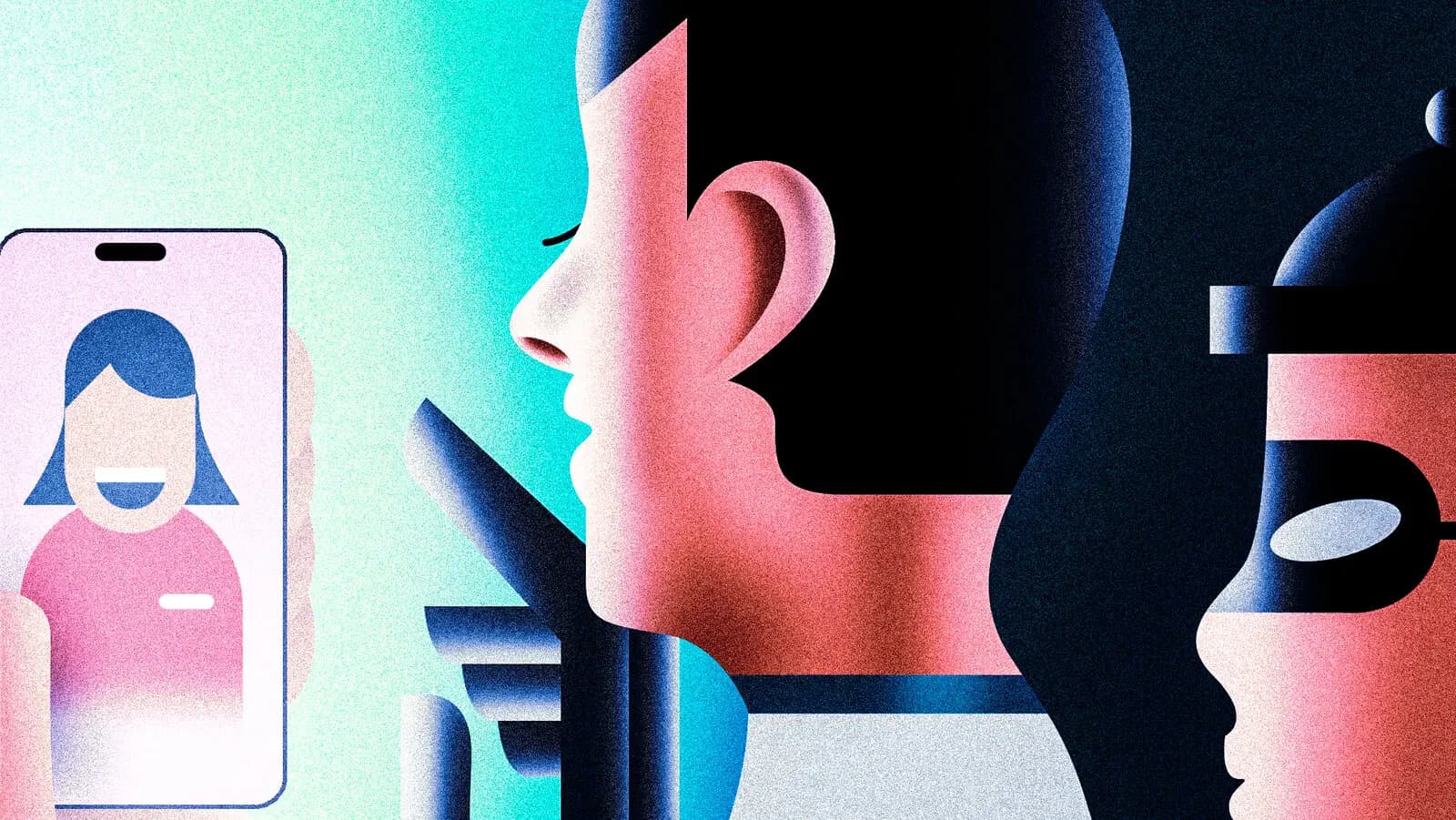
A few months ago, I received an email that looked completely legitimate.
The grammar was flawless. The message referenced my work. The sender's tone sounded professional and friendly. If someone had shown me the email five years ago, I would have assumed it came from a real person.
It didn't.
The message was generated by AI.
Fortunately, I noticed a few inconsistencies before responding. But the experience left me thinking: if I almost believed it, how many others would?
The reality is that scams are entering a new era. Artificial intelligence is helping criminals create messages, voices, images, and videos that are becoming increasingly difficult to distinguish from the real thing.
And the numbers suggest the problem is growing rapidly.
The Age of Obvious Scams Is Over
For years, many scams followed a familiar pattern.
Poor grammar.
Strange wording.
Suspicious email addresses.
Unrealistic stories.
Today, AI can fix all of those weaknesses in seconds.
Scammers can use AI to write professional emails, translate messages into dozens of languages, impersonate trusted brands, and even mimic the writing style of real people. As a result, the traditional warning signs are disappearing.
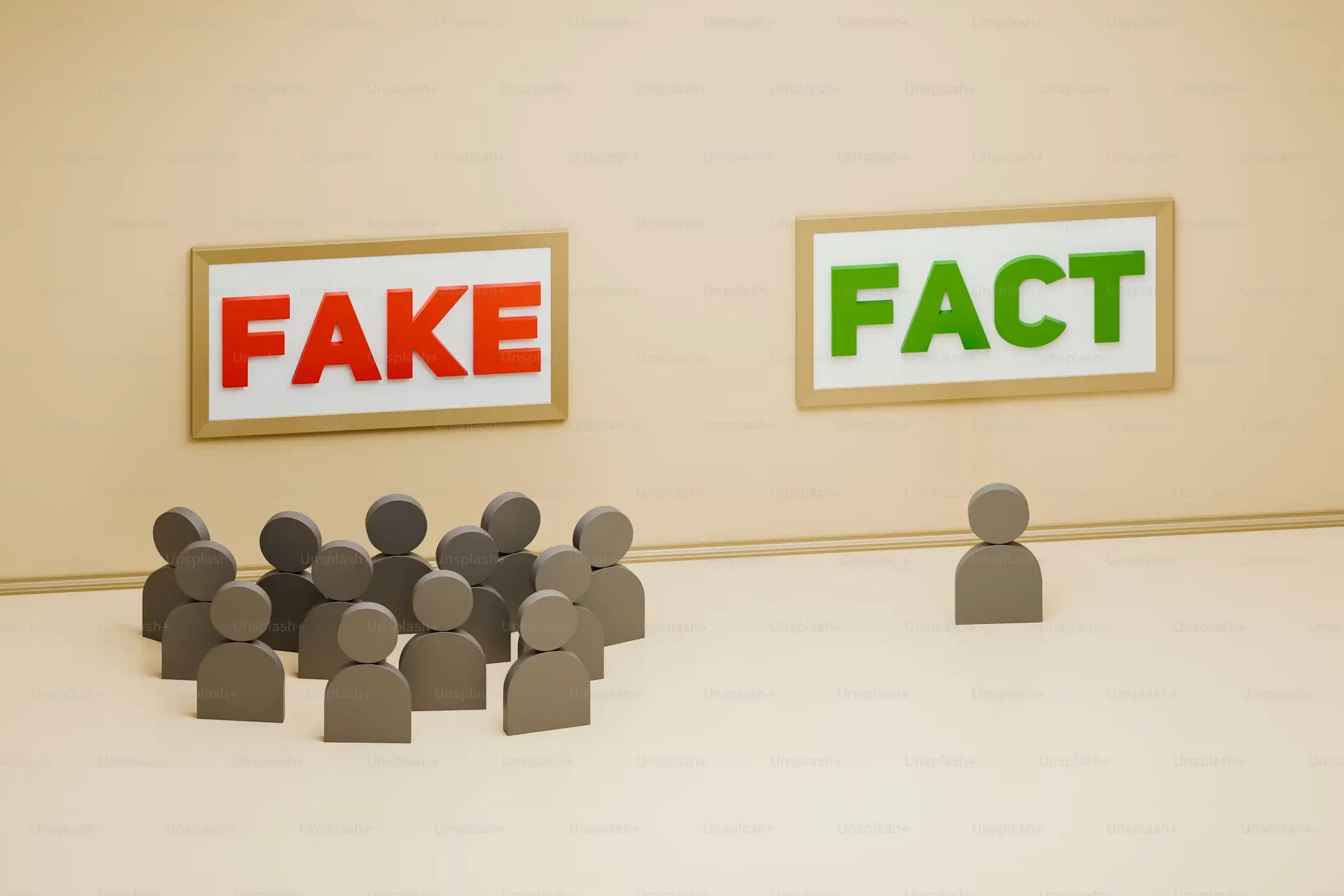
A 2026 Malwarebytes survey found that 85% of people now say it is difficult to tell scams apart from legitimate content, up significantly from the previous year. Even more concerning, half of adults reported encountering an AI-driven scam during the past year.
When nearly everyone struggles to distinguish real from fake, trust itself becomes a security risk.
When a Familiar Voice Is No Longer Proof
Perhaps the most disturbing development is AI voice cloning.
With only a few seconds of audio from a social media video, podcast, or voice message, AI tools can create a convincing copy of someone's voice.
Imagine receiving a call from your child saying they have been in an accident.
Imagine hearing your manager urgently requesting a bank transfer.
Imagine a friend calling for help while traveling abroad.
Most people would respond immediately.
That's exactly what scammers are counting on.
A global survey by McAfee found that one in four people had either experienced an AI voice-cloning scam or knew someone who had. Even more alarming, 70% of respondents said they were not confident they could tell the difference between a cloned voice and a real one.
In another recent study, participants were asked to distinguish between real and AI-generated scam calls. Their average accuracy was only 37.5% - worse than random guessing.
In other words, many of us believe we can spot a fake voice, but research suggests otherwise.
The Financial Cost Is Massive

The consequences go far beyond embarrassment.
In the United Kingdom alone, fraud victims lost more than £1.28 billion in 2025, with criminals increasingly using AI-generated content, deepfakes, and voice impersonation techniques. Investment fraud losses rose 40% in a single year.
In the United States, the FBI reported that Americans aged 60 and older lost $7.7 billion to cybercrime in 2025, a 60% increase from the previous year. Experts warn that AI is making these scams more convincing and harder to detect.
Meanwhile, security company Pindrop reported a 1,300% increase in deepfake fraud attempts during 2024 as synthetic voice attacks spread across banking, retail, and insurance sectors.
These aren't isolated incidents anymore.
They are becoming part of everyday life.
My Own Wake-Up Call
The moment I realized how serious this issue had become was when I stopped relying on appearances.
For years, I trusted things that looked professional.
A polished email felt trustworthy.
A familiar voice felt trustworthy.
A realistic video felt trustworthy.
Now, none of those are reliable indicators.
I've started following a simple rule:
Trust less. Verify more.
If someone asks for money, I verify.
If a message creates urgency, I verify.
If a caller claims to be a friend or colleague, I contact them through a different channel.
At first, it felt overly cautious.
Today, it feels necessary.
Practical Ways to Protect Yourself

As AI scams become more sophisticated, our habits need to evolve as well.
1. Slow Down
Most scams depend on urgency.
The moment someone pressures you to act immediately is the moment you should pause.
2. Verify Through Another Channel
If you receive an unexpected request, contact the person directly using a phone number or account you already know.
Never rely solely on the information provided in the message.
3. Create a Family Safety Code
Families can establish a secret phrase or question that only close relatives know.
This can be especially useful against voice-cloning scams.
4. Be Careful With Public Audio and Video
Every voice recording posted online can potentially be used to train a voice-cloning model.
While you shouldn't stop sharing content entirely, it's important to understand the risks.
5. Teach Others
Many scams target older adults and less tech-savvy users.
A simple conversation with parents, grandparents, or friends can prevent significant financial and emotional harm.
The Future of Trust

For generations, we relied on our senses to determine what was real.
If we saw it, we believed it.
If we heard it, we trusted it.
AI is changing that.
Today, a photo can be fabricated.
A voice can be cloned.
A video can be generated.
The challenge is no longer learning how to use AI.
The challenge is learning how to navigate a world where seeing and hearing are no longer proof of authenticity.
AI itself is not the enemy. In fact, AI is also helping banks, cybersecurity companies, and law enforcement detect fraud faster than ever before.
But as the technology improves, one thing becomes clear:
The most important security tool we have is still human judgment.
And in the age of AI scams, skepticism may become one of the most valuable skills we can develop.