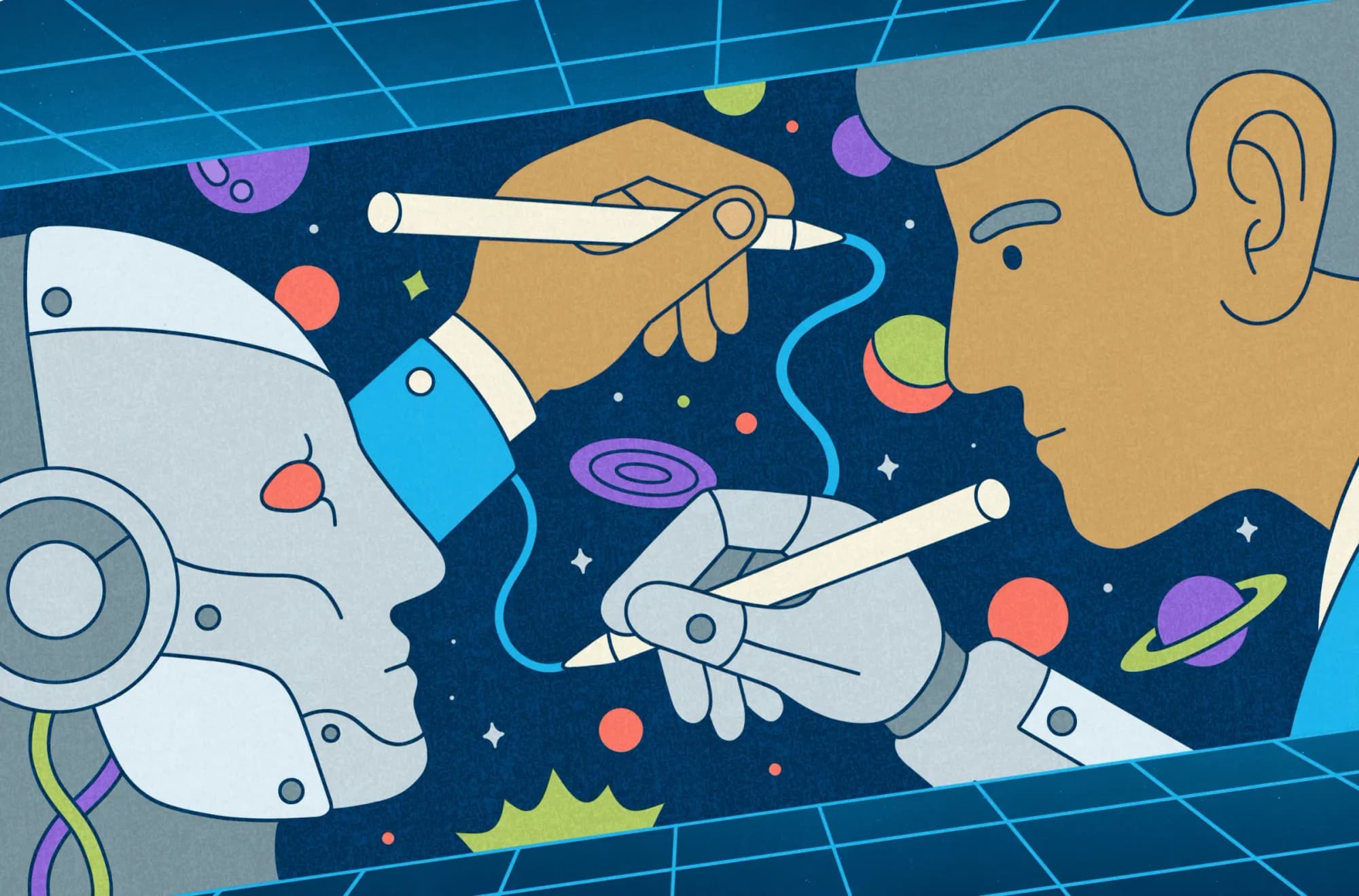
Whether you're writing emails, creating social media posts, answering customer support tickets, or drafting novels, AI has become one of the world's most influential language partners. And as millions of people interact with ChatGPT, Claude, Gemini, and other AI assistants every day, something fascinating is happening:
Humans are starting to sound more like AI, while AI is learning to sound more like humans.
This creates what some linguists describe as a linguistic feedback loop, where both sides continuously influence one another.
The Rise of "AI English"
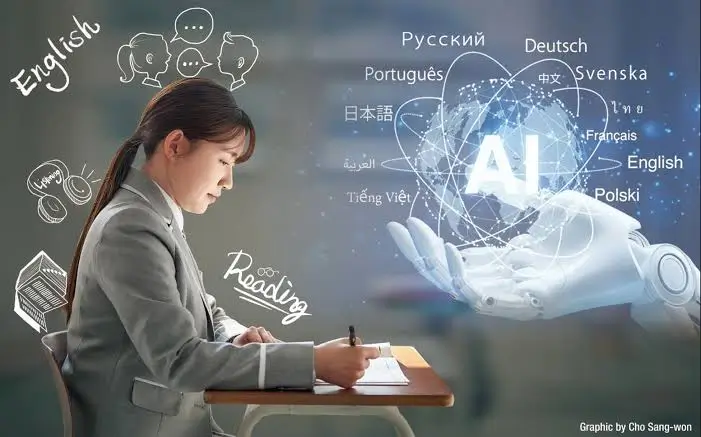
Think about the last few months.
How many times have you written phrases like:
- Let's dive into...
- Here's a breakdown...
- In today's fast-paced world...
- It's worth noting...
- Delve deeper...
- Unlock your potential...
Many of these expressions became dramatically more common after the rise of large language models.
They aren't necessarily wrong.
They're simply... everywhere.
Because millions of people ask AI to help write emails, blogs, LinkedIn posts, YouTube scripts, and marketing copy, these patterns spread incredibly fast.
Language has always evolved through books, television, movies, and social media.
Now AI has become one of the largest influences ever introduced.
Why AI Writing Feels So Familiar
Large Language Models are trained on enormous collections of books, websites, news articles, academic papers, and online discussions.
Their objective isn't originality.
Their objective is prediction.
They simply predict which word is statistically most likely to come next.
That means AI naturally prefers language that is:
- grammatically safe
- widely understood
- highly repeated
- statistically common
The result?
Extremely fluent writing...
...that often sounds strangely similar across different users.
If you've ever thought,
"This LinkedIn post somehow feels AI-generated..."
you probably weren't reacting to the facts.
You were reacting to the style.
Can Humans Still Tell?
Surprisingly, not very well.
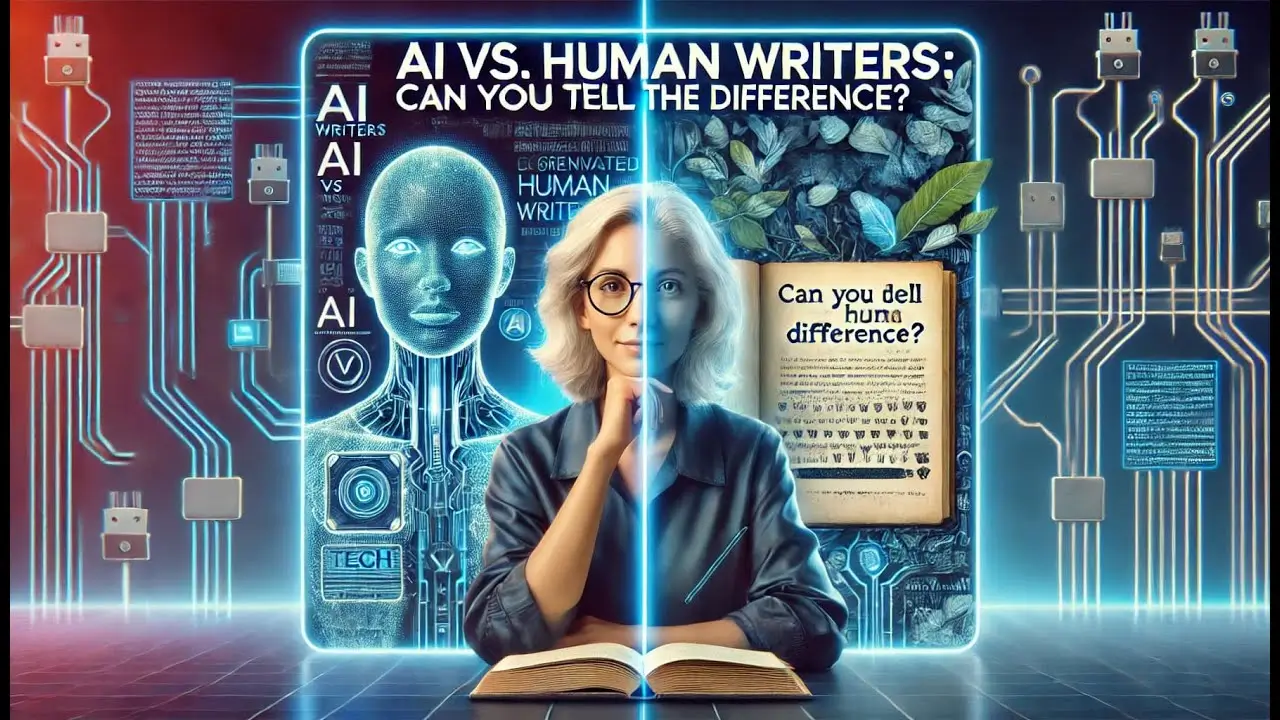
Research discussed in The Guardian found that even experienced readers often fail to distinguish AI-generated text from human writing. Many rely on unreliable clues such as repeated structures, clichés, or overly polished sentences - and those assumptions frequently lead them to the wrong conclusion.
Ironically, once humans imitate AI's polished style, those same "AI detectors" become even less reliable.
AI Is Also Learning From Us
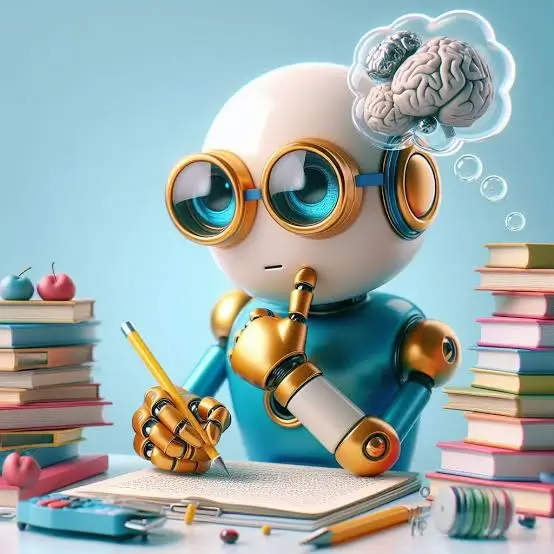
The relationship isn't one-directional.
Every prompt, correction, rating, and conversation teaches AI something.
Millions of users continuously reinforce:
- preferred vocabulary
- writing tone
- sentence length
- formatting styles
- conversational habits
In other words:
We are training AI...
while AI is simultaneously training us.
It's an enormous global feedback system unlike anything language has experienced before.
The Hidden Risk: Language Becomes Predictable
Efficiency is wonderful.
Originality is harder.
If everyone starts asking AI to:
"Write a professional email."
or
"Write a blog introduction."
the outputs naturally begin converging toward similar patterns.
Over time, originality becomes less common, not because people lack creativity, but because they begin editing AI instead of thinking independently.
You can already see this across:
- LinkedIn posts
- startup websites
- product descriptions
- marketing emails
- YouTube scripts
- school essays
Many read smoothly.
Many are informative.
But many also feel interchangeable.
The Best Writers Will Use AI Differently
This doesn't mean AI is bad for writing.
Quite the opposite.
AI is becoming an incredible creative assistant.
It can:
- overcome writer's block
- summarize research
- improve grammar
- generate outlines
- brainstorm ideas
- rewrite for different audiences
The difference lies in how you use it.
Average creators ask AI to produce finished work.
Exceptional creators use AI to produce better thinking.
Instead of saying:
"Write this article."
they ask:
- Challenge my argument.
- Show the opposite opinion.
- Find weaknesses in my logic.
- Give five unusual examples.
- Rewrite this from a psychologist's perspective.
Those prompts generate ideas, not just words.
Human Experience Is Still the Missing Ingredient
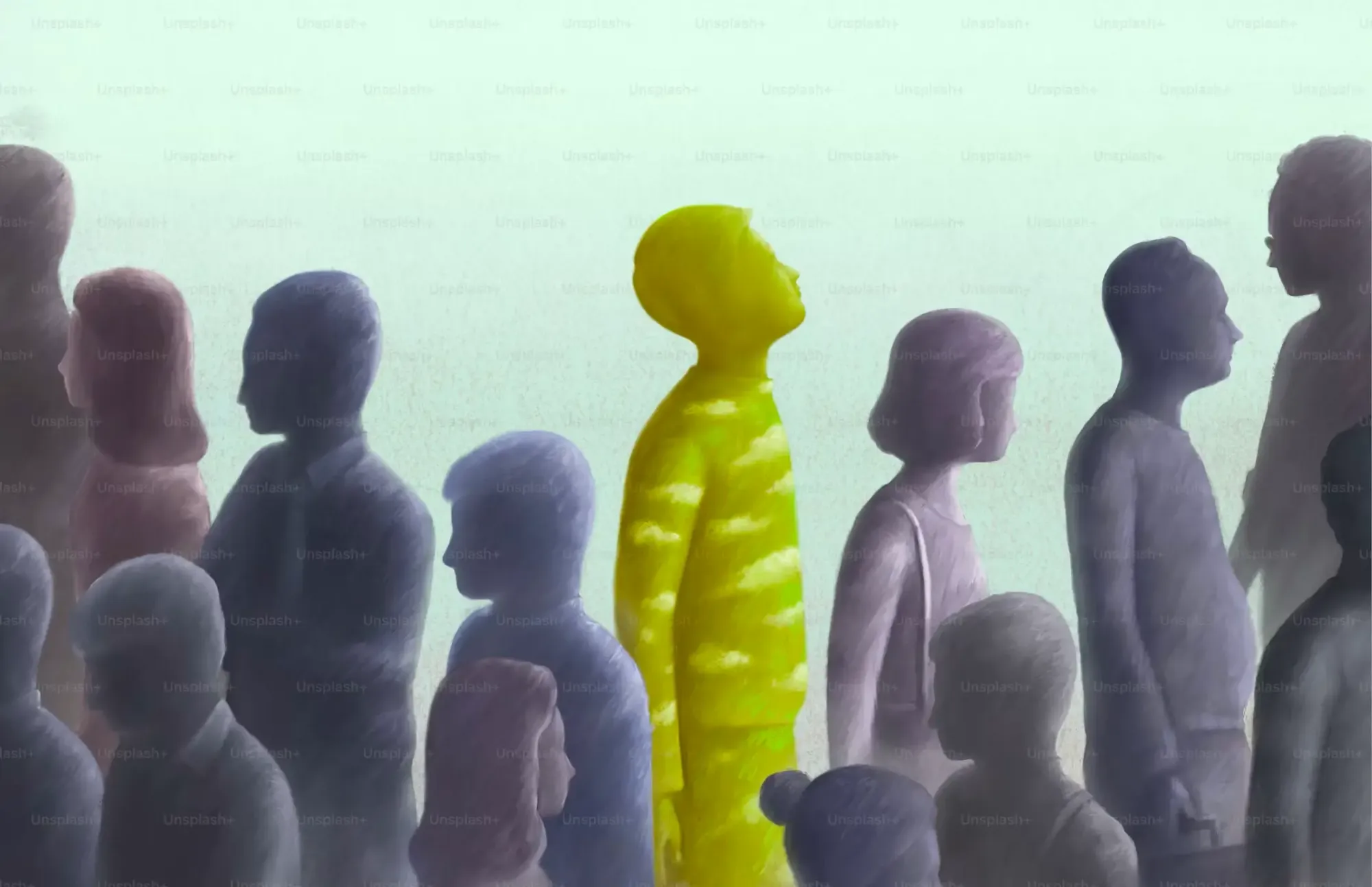
AI has read millions of books.
But it has never:
- fallen in love
- lost a parent
- celebrated a promotion
- traveled alone
- failed an exam
- felt nervous before giving a speech
It can describe those experiences remarkably well.
It cannot truly live them.
That's why the most memorable writing still comes from human observation.
Readers remember stories.
They remember emotions.
They remember vulnerability.
Not perfect sentence structure.
As several authors interviewed in The Guardian argue, AI can imitate literary form, but genuine creativity still comes from lived experience, emotion, and the human desire to say something new.
The Future Isn't Human vs AI
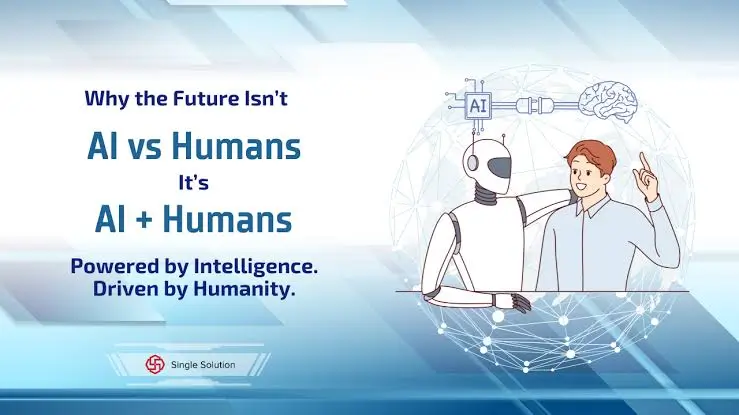
Many people frame this as a competition.
It isn't.
The future belongs to people who combine both strengths.
Use AI for:
- speed
- research
- editing
- organization
- brainstorming
Use humans for:
- curiosity
- taste
- empathy
- storytelling
- lived experience
- original ideas
Language has never stopped evolving.
The printing press changed writing.
The internet changed writing.
Social media changed writing.
Now AI is changing it again.
The question is no longer whether AI will influence language.
It already has.
The real question is whether we'll let AI flatten our voices or use it to amplify what makes them uniquely human.